


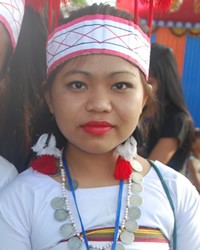

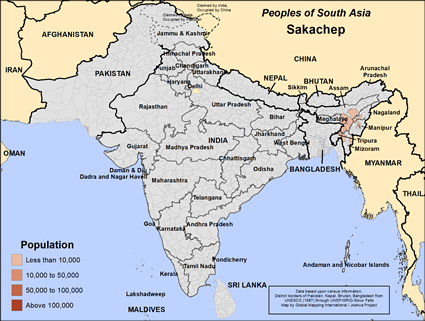
The Sakachep are a distinct ethnic group primarily found in the northeastern states of India, especially in Assam, Meghalaya, and Mizoram. They are part of the larger Kuki-Chin-Mizo family, with their own language and cultural traditions. Historically, the Sakachep have lived in hilly, forested regions, practicing shifting cultivation and maintaining a close relationship with their natural environment. Their oral traditions, folk tales, and songs preserve the memory of migrations, clan histories, and the challenges faced as they adapted to new lands. Over time, the Sakachep have interacted with neighboring communities, which has influenced their customs and way of life, while still retaining a strong sense of identity.
The daily life of the Sakachep revolves around agriculture, with many families engaged in jhum (shifting) cultivation, growing crops such as rice, maize, and vegetables. Some have transitioned to settled farming or found work in local markets and government services. Meals are typically centered on rice, accompanied by vegetables, fish, and occasionally meat. Family life is close-knit, with respect for elders and communal decision-making being important values. The Sakachep celebrate festivals with music, dance, and traditional attire, especially during harvest and religious occasions. Weddings and community gatherings are marked by elaborate rituals, feasting, and the sharing of stories and songs that reinforce their cultural heritage.
The Sakachep have a diverse religious landscape. Many continue to practice traditional animistic beliefs, placing their trust in spirits, ancestors, and nature deities. Rituals, offerings, and festivals are held to seek blessings, protection, and favor from these spiritual forces. Sacred groves and specific sites are often considered places of spiritual significance. At the same time, there is a visible Christian presence among the Sakachep, with churches established in several villages. Those who follow Christ gather for worship, prayer, and fellowship, seeking to live out their faith in daily life. The gospel message is present, and some Sakachep have embraced Jesus as Lord and Savior, while others continue in traditional beliefs or are exploring the Christian faith. The hope of the gospel remains that all may come to know the truth and salvation found in Christ alone.
The Sakachep face both physical and spiritual needs. Access to quality education and healthcare is limited in many of their villages, making it difficult for families to thrive. Economic opportunities are often scarce, especially for those living in remote areas. Spiritually, there is a need for continued outreach, discipleship, and the strengthening of local churches. Many Sakachep have yet to hear the gospel in a way that connects with their language and culture. For those who are believers, encouragement and resources are needed to help them grow in faith and share the good news with their neighbors.
Pray for improved education and healthcare services in Sakachep communities.
Ask God to strengthen and encourage Sakachep believers in their faith.
Pray for effective outreach and discipleship among those who have not yet heard or accepted the gospel.
Request that the Sakachep church would be a light to neighboring communities, sharing Christ's love in word and deed.
Scripture Prayers for the Sakachep in India.
https://www.peoplegroups.org/
https://www.operationworld.org/
Shabar in India
https://joshuaproject.net/people_groups/18080/IN
| Profile Source: Joshua Project |



